Scroll
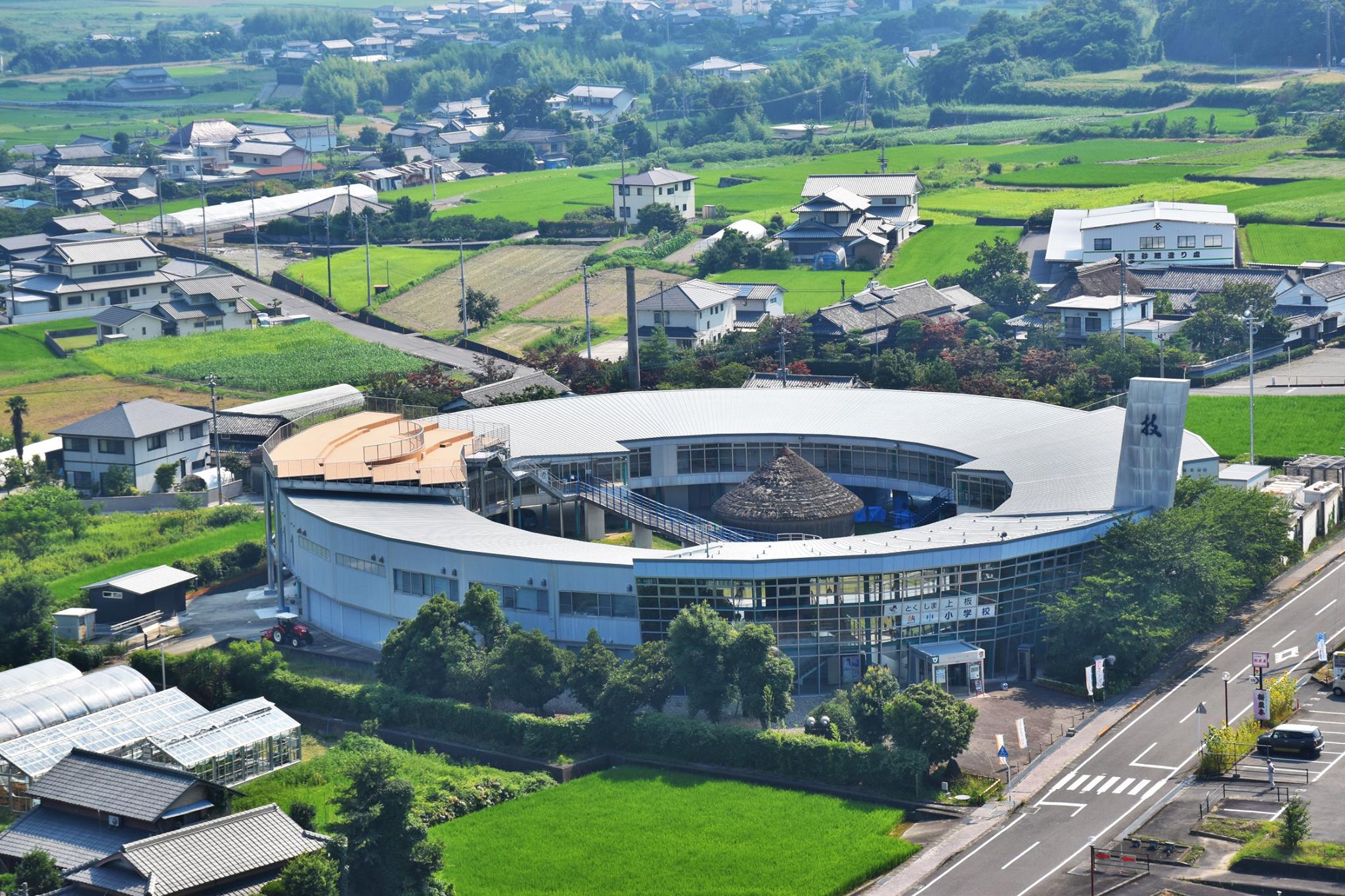
技の館
WAZA NO YAKATA
徳島 上板町
伝統工芸体験施設
Aizome Experiences
Indigo Cutlivation
Japan Blue Kamiita starts a project to offer hands-on experiences in indigo cultivation, opening up the entire process—from growing the plants to making the dye known as sukumo—to those who are interested.
🌱 Indigo Cultivation Schedule
- Sowing seeds: Early March
- Transplanting: Late April to early May
- 1st harvest: From early July
- 2nd harvest: From mid-August
Once the detailed schedule is confirmed, we’ll share it on this website.
Sukumo Production: Making Indigo Dye
At Japan Blue Kamiita, we transform harvested indigo leaves into traditional dye known as sukumo through a fermentation process.
The production begins in early October with fermentation (maturation process), followed by around 15 rounds of weekly turning and mixing to complete the dye.
Once the detailed schedule is confirmed, we’ll share it on this website.
Aitate: Indigo Vat Preparation
(Natural fermentation using wood ash lye)
The fermented indigo dye, sukumo, becomes usable for dyeing through the action of indigo-reducing bacteria—microorganisms that thrive in an alkaline solution.
At Japan Blue Kamiita, we can introduce the whole process of preparing the indigo dye vat using the traditional natural fermentation method.
Once the detailed schedule is confirmed, we’ll share it on this website.
Aizome: Indigo dyeing
A white cotton handkerchief is dipped in a vat of indigo dye naturally fermented using wood ash lye. It absorbs the blue pigment called indigo, which develops its rich color by reacting with oxygen in the air. With each dip, the shade of blue gradually deepens.
The beautiful contrast between white and various shades of blue is one of the unique charms of aizome products.
Visitors can experience the dyeing process firsthand. Hands-on activities are always available at Waza no Yakata in Kamiita Town.